

Focusrite and the Lundahl LL1538 Transformer
One transformer has been used in every Focusrite ISA mic preamp since 1985. This is the story of why it was chosen and why nothing has replaced it since.
How it started
Focusrite grew out of a 1985 request from Beatles producer Sir George Martin to build a no-compromise mic pre and EQ for the Forte mixer that was to go to AIR Studios on the island of Montserrat. The modules, called ISA for Input Signal Amplifier, featured a mic preamplifier with the Lundahl LL1538 transformer that have been used in every Focusrite ISA mic pre since.
What makes this transformer from the northern part of the Stockholm archipelago so special?
Why the LL1538 was chosen
To understand, it helps to go back to the 80s. In 1985, audio signals passed not only through mic input transformers, but through console outputs, tape recorders, and mixers at every stage. While the gain and electrical isolation this circuitry provided was necessary, the harmonic colouration it imparted wasn't always welcome. Engineers and producers were looking for a more open, detailed sound. The LL1538 was chosen because of the open and expansive character it produced when amplifying mic signals.
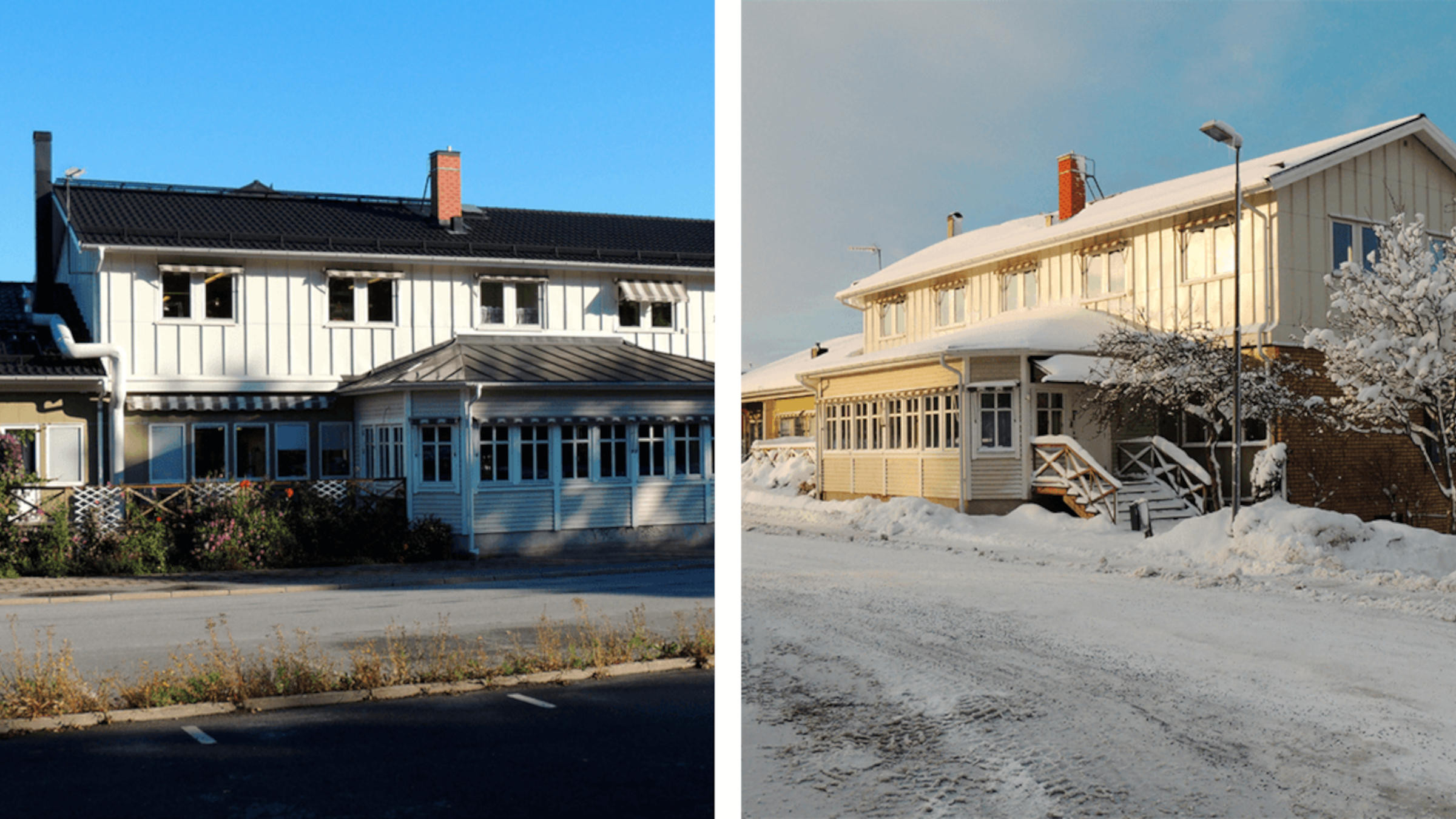
A family business, built differently
If you've seen a modern electronics production line, a visit to a transformer manufacturer can be an eye-opener. It hosts distinctly mid-20th-century equipment that involves a lot of manual work and a decidedly hands-on approach. This is where Lundahl differs: apart from raw wire and a nickel-iron soft ferromagnetic alloy, everything is custom-made on-site.
Lundahl Transformers was founded in 1958 by Lars Lundahl and his wife Gunnel — a family business that Lars built from first principles, driven by his belief that high-quality transformers were nearly impossible to source. Their son Per took over as Managing Director in 1994. Not only did Lars develop his own approach to transformer design, he designed all of the manufacturing equipment himself. A full-time machinist remains part of the team to this day.
How the LL1538 is made
A transformer is constructed from a magnetic core and coils of wire. Lars re-imagined the way those coils were wound, as Per explains:
"For some reason Lars redesigned the LL1528 from a 2+2 section design to a 3+3 section design. Each coil now consisted of two low impedance primary sections and one high impedance secondary section. Between each section are Faraday shields. If by luck or by calculation it is impossible to say, but the new transformer, the LL1538, was a success."
The result is a transformer with better, more consistent unit-to-unit electrical performance than standard bobbin-wound coils: warm, detailed, and rich on any source. Lundahl achieves this through stick-wound coils — wire wound in layers on a coil PET former, with interlayer insulation that produces a geometry uniform from end to end and layer to layer. The winding itself is computer-controlled with design-specific software, ensuring every coil is the same as every other.

Why it's still the one
The stick-winding process also allows Lundahl to include a Faraday shield that extends beyond the edge of the windings, providing better protection against electromagnetic interference. This is one of the reasons Lundahl have a stellar reputation in the audiophile world, where signal levels are far lower and more vulnerable to such interference than those from professional microphones.
This consistency is one of the core reasons Focusrite has used the same Lundahl component across every ISA product for over 40 years: the assurance that every user receives the same sound, every time.
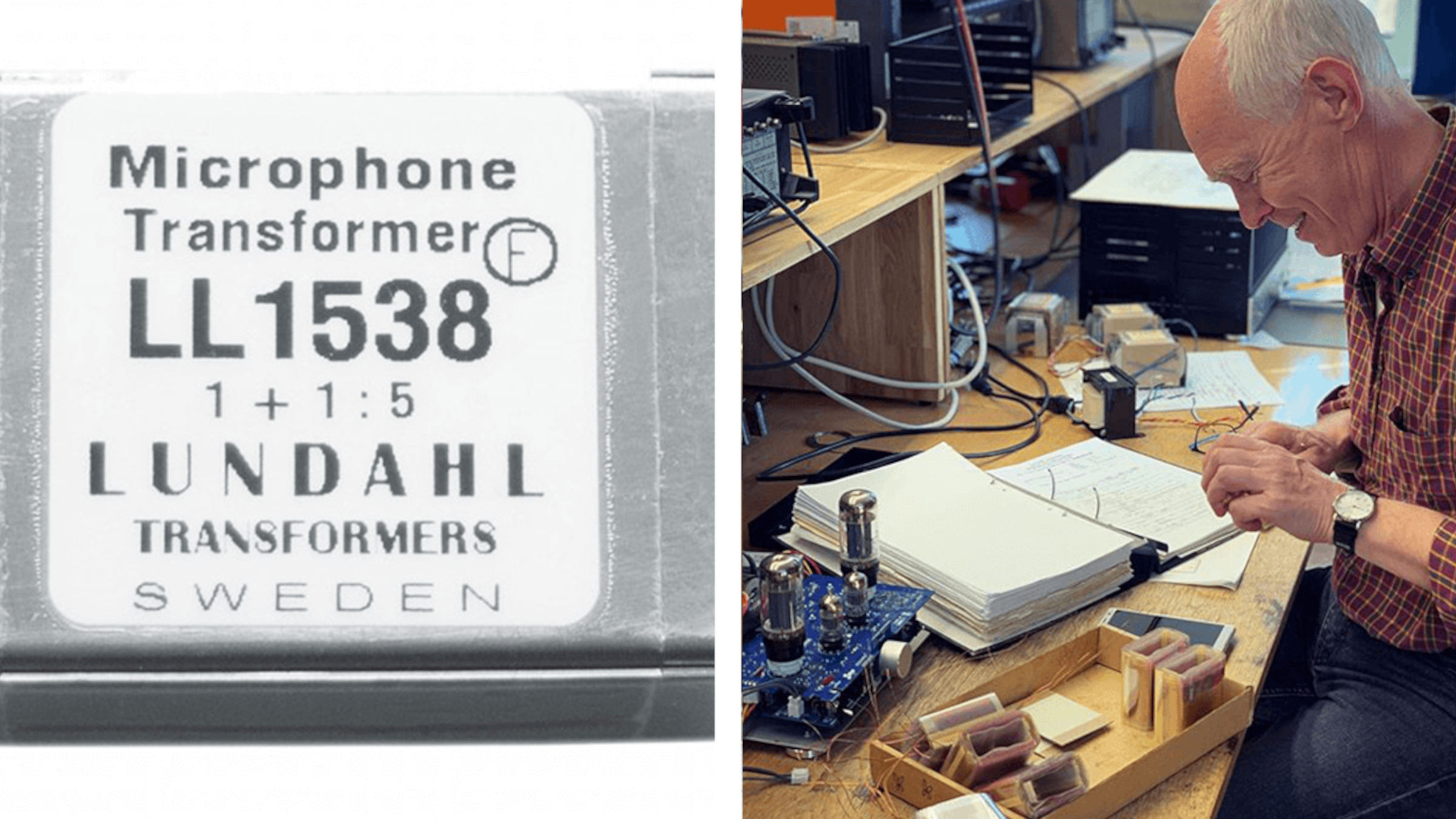
The LL1538 today
Choosing the LL1538 in 1985 was a conscious step up from the artisanal transformer construction of the vacuum tube era.
Forty years later, that same component sits at the heart of every ISA product Focusrite makes — the ISA One, ISA 428 MkII, ISA 828 MkII, and Focusrite’s first ever ISA audio interface, ISA C8X. The technology around it has changed completely. The transformer doesn't need to.